







Search Results for: health preservation
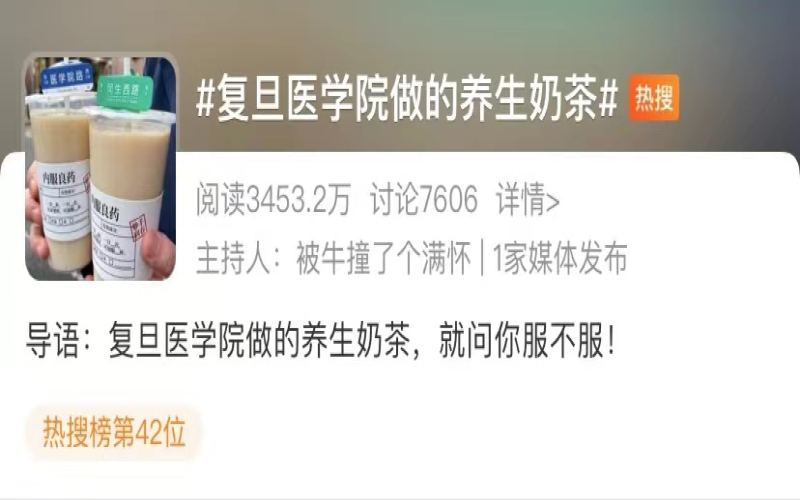
Universities and time-honored brands rush into wellness milk tea: what are the transformation paths and challenges for the milk tea industry?
When milk tea cup sleeves at Fudan University Medical School are printed with drug instructions, when Beijing University of Chinese Medicine adds ginger, cinnamon, dried tangerine peel, red dates, and goji berries to milk tea, and when Shanghai's time-honored Chinese medicine brand Tong Han Chun Tang uses "medicine and food homology" as a selling point to launch ginseng and peach gum milk tea, the milk tea category is undergoing a transformation attempt from "junk food" to "health drink." University cafeterias, Chinese medicine shops, and time-honored brands are all crossing over into the market, trying to reshape the image of milk tea with the concept of health. At the same time, milk tea brands are also making changes on the ingredient side, with fresh fruit and fresh milk replacing non-dairy creamer as selling points. However, news about milk tea on trending searches is repeatedly linked to food safety issues, and the road to transformation is not smooth. [more…]
An In-Depth Analysis of Five Mainstream Coffee Forms: From Freshly Ground to Instant, How Processing Differences Determine Flavor and Health
Coffee products are dazzlingly varied, and behind the price differences, the processing method is what truly determines flavor and health. Based on overall taste and flavor, Front Street Coffee divides the mainstream coffees on the market into five tiers: freshly ground coffee ranks first thanks to its complete ingredients and fresh extraction, drip bags and capsule coffee follow closely behind for their convenience, cold brew concentrated coffee liquid sits in the middle, while freeze-dried coffee powder and traditional instant coffee rank lower. This article will break down the production principles, flavor performance, and health considerations of each type of product one by one, and intersperse Front Street Coffee's daily beans and espresso blend recommendations, helping coffee lovers see clearly the ranking logic from "solid" to "completely done for." [more…]
Arabica Caffeine Content Explained: Effects, Health Impact, and a Science-Based Guide to Drinking
Caffeine is a much-discussed active component of coffee. It dissolves easily in hot water but poorly in cold water, stimulates the central nervous system, sharpens the mind, and also has cardiotonic and diuretic effects. A cup of coffee typically contains 60-65 milligrams of caffeine, but excessive intake may cause discomfort such as tinnitus and palpitations. Black coffee is considered the way of drinking that best preserves the beneficial components, offering multiple functions such as refreshing the mind, stimulating the appetite, promoting urination, activating blood circulation, relieving asthma, and removing odors. Light roasts have a higher caffeine content, which helps with weight loss, while the antioxidant effects of black coffee help fight cancer and aging. A healthy adult can metabolize 500-600 milligrams of caffeine per day, roughly equivalent to 5 cups of coffee, while pregnant women need to reduce their intake. This article will systematically analyze the mechanisms of caffeine's effects, its pros and cons, suitable populations, and scientific drinking methods, and recommend quality products from Front Street Coffee. [more…]
An Analysis of the Differences Between Instant, Drip, and Freshly Ground Coffee: A Full Comparison of Caffeine, Chlorogenic Acid Content, Aroma, and Taste
The world of coffee is far richer than one might imagine. Some people are used to casually making a cup of instant coffee, some prefer the slow, deliberate process of drip brewing, and others insist on the fresh flavor of freshly ground coffee beans. These three methods may seem to differ only in brewing technique, but in reality they conceal significant differences in composition and experience. Many people wonder whether instant coffee and drip coffee differ in their health benefits. In fact, their caffeine content is basically the same—what truly sets them apart is the chlorogenic acid content and the degree to which coffee aroma is released. Because drip coffee undergoes a more complete brewing process, it better preserves chlorogenic acid, a compound with antioxidant properties, while also fully releasing the aromatic substances inherent in the coffee. Coffee aroma itself has a calming and relaxing effect, so for people who live under long-term high pressure and busy schedules, drinking drip coffee in moderation may bring a more ideal experience for both physical and mental well-being. Next, we will compare instant, drip, and freshly ground coffee one by one across multiple dimensions, including composition, aroma, and taste. [more…]
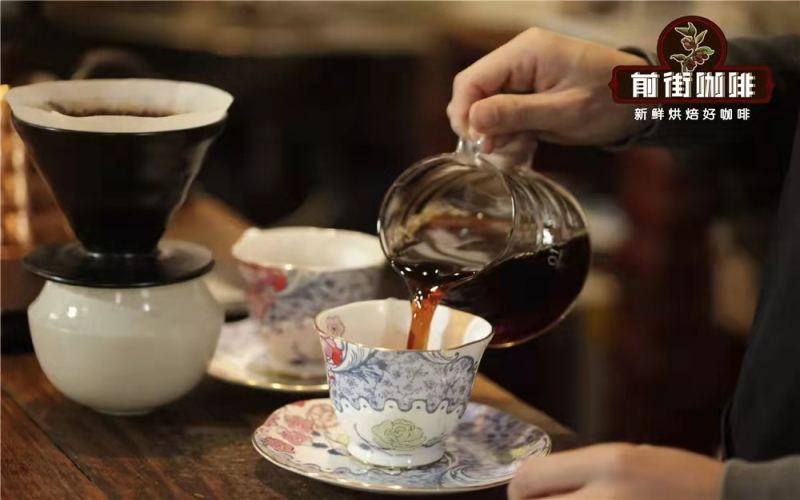
What is decaffeinated coffee? How does it differ from regular coffee in processing methods and component content?
For many coffee lovers who are sensitive to caffeine, decaf coffee offers a choice that balances flavor and peace of mind. It removes the vast majority of caffeine from green beans through specific processes, but inevitably strips away some flavor compounds as well. This article provides a systematic introduction to what decaf coffee is, the mainstream processing methods, how its caffeine and antioxidant content differs from regular coffee, and how modern eco-friendly decaffeination techniques preserve the flavor of premium coffee as much as possible. In addition, it also mentions related product information from Front Street Coffee to help readers gain a more comprehensive understanding of this category. [more…]
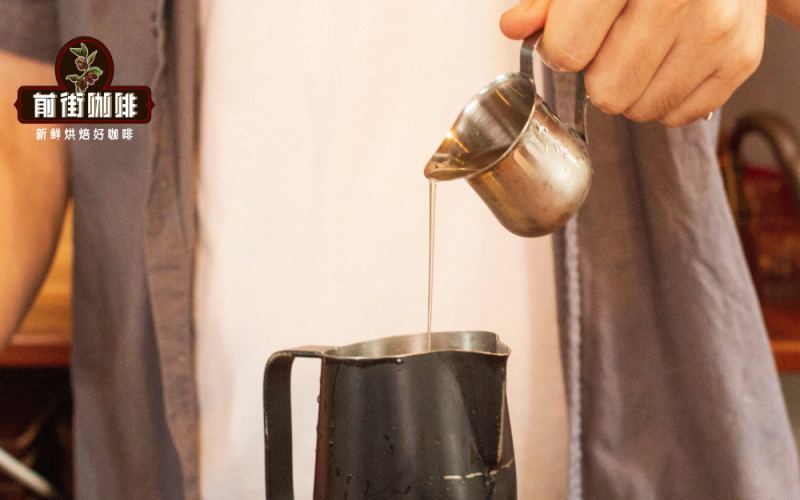
Is It Okay to Add Honey to Coffee? A Detailed Guide to Honey's Health Benefits with Coffee and Practical Methods
Can honey, as a natural sweetener, coexist harmoniously with coffee? This article systematically answers the feasibility, health effects, and flavor pairing techniques of adding honey to coffee, from historical origins and nutritional composition to practical methods. It covers the optimal temperature for adding honey, the appropriate ratios for pour-over and milk coffee, and recommends several Front Street Coffee beans suitable for flavoring, helping enthusiasts achieve a uniquely sweet and mellow experience while preserving the coffee's original character. [more…]
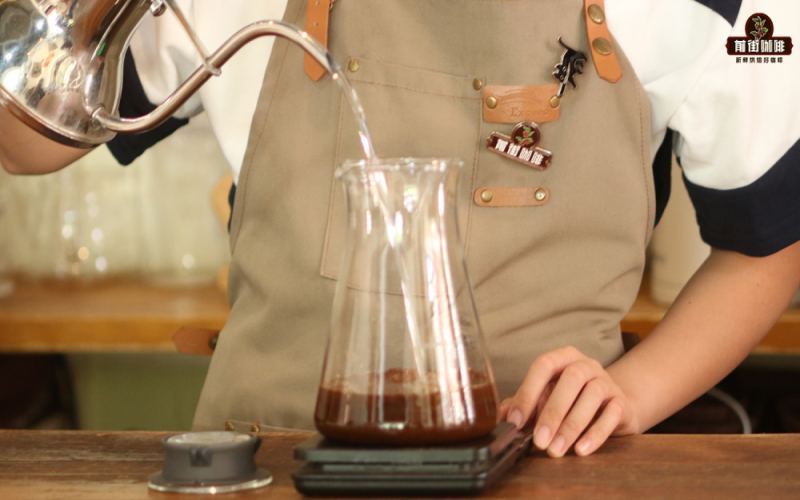
Analysis of Cold Brew Coffee Calories and Weight Loss Effects, with a Discussion of the Flavor and Taste Differences Between Cold Brew Iced Coffee and Iced Americano
Cold brew coffee and iced Americano are often lumped together, but their brewing methods are completely different, and their flavor profiles and health effects also differ. Starting from the definition of cold brew, this article compares its taste differences with iced Americano, analyzes cold brew's advantages in preserving antioxidants and reducing stomach irritation, and how it can support fat metabolism. It will also warn which additives may turn coffee from a weight-loss helper into a calorie trap. The article's recommendations of several Front Street Coffee beans provide practical options for home brewing. [more…]
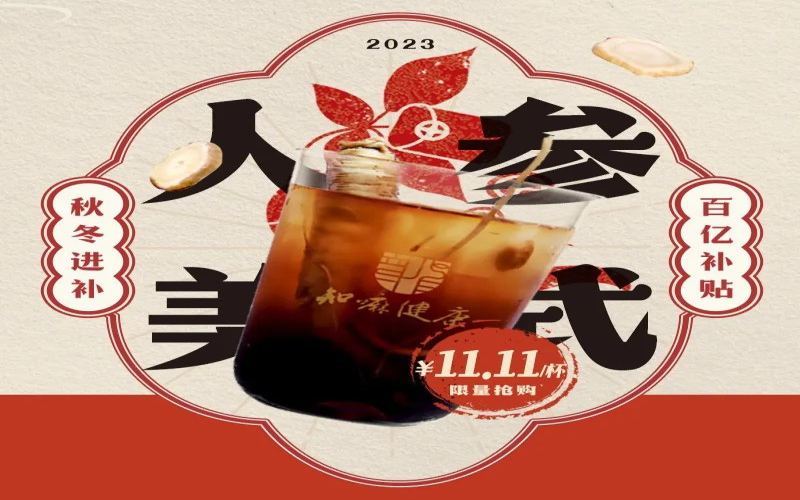
Tongrentang has partnered with Tmall to launch a ginseng Americano, once again stirring up the punk wellness trend with a mix of traditional Chinese medicine and coffee.
When "Double Eleven" meets a time-honored pharmaceutical company, a cup of ginseng americano makes a surprise debut. Tmall teamed up with Zhima Health, under Tongrentang, to launch a limited-edition "ginseng americano," each cup containing a whole fresh ginseng root, at a subsidized price of just 11.11 yuan. Following the various "medicinal coffees" that came before, this move has once again drawn attention. In addition to ginseng, the drink also includes Chinese medicinal ingredients such as licorice and longan, and the vendor simultaneously warns that no more than one cup should be consumed per day. However, issues such as the lack of additive standards in the industry and the unclear origin of the ginseng have also surfaced, meaning consumers should exercise extra caution even as they satisfy their curiosity. [more…]
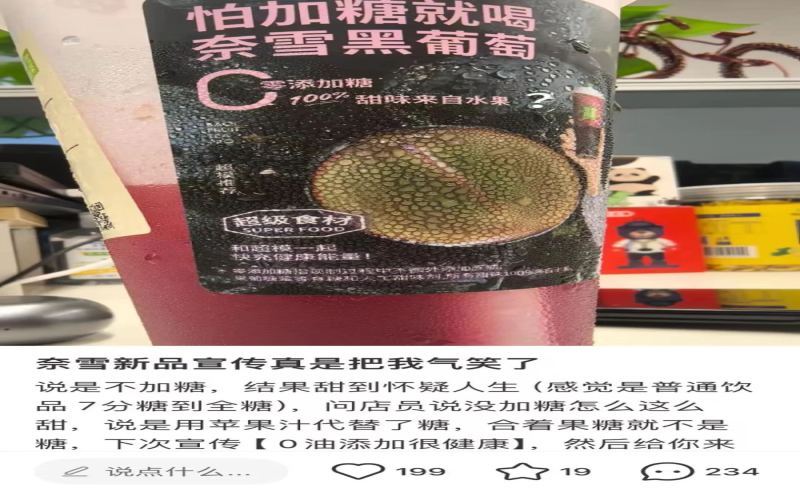
Nayuki's new drink claims no added sugar yet is explosively sweet—the truth behind healthy marketing of juice-based sugar substitutes
Recently, Nayuki launched "Unsweetened · Nayuki Black Grape," promoted as having 0 added sugar with all sweetness coming from fruit, yet it drew complaints from consumers for being too sweet. The brand replaced sucrose with apple juice, but concentrated apple juice can have a sugar content exceeding 50, meaning the actual sugar content of the entire drink is not low. This approach is similar to the strategy some brands use of hiding additives in ingredients, maintaining sweetness while preserving the "healthy" selling point. Consumers' impression of juice as naturally burden-free is being exploited, while the risk of blood sugar spikes remains. This article sorts out the ins and outs of the incident and includes related product information from Front Street Coffee, exploring the trade-off tea beverage brands face between taste and health. [more…]

Japanese café sparks debate by selling 65°C warm plain water, three cups for 25 yuan
On a cold winter morning, a glass of warm water at just the right temperature can quickly warm the body and awaken dormant functions. Now, a café in Japan has put this everyday drink on its menu, selling it under the name "Ultimate Artisan Warm Water," priced at 500 yen (about 25 yuan) for three cups. The shop uses a ceramic kettle to hold groundwater, boils it, lets it sit to cool, and finally serves it to customers at around 65°C. Some find it thoughtful and warming, while others question why they can't just boil water themselves. Meanwhile, bottled warm water that a Japanese convenience store once offered for a limited time has become a regular product after sales exceeded expectations by three times. Whether this warm water trend will spread in the coffee industry is worth watching. [more…]
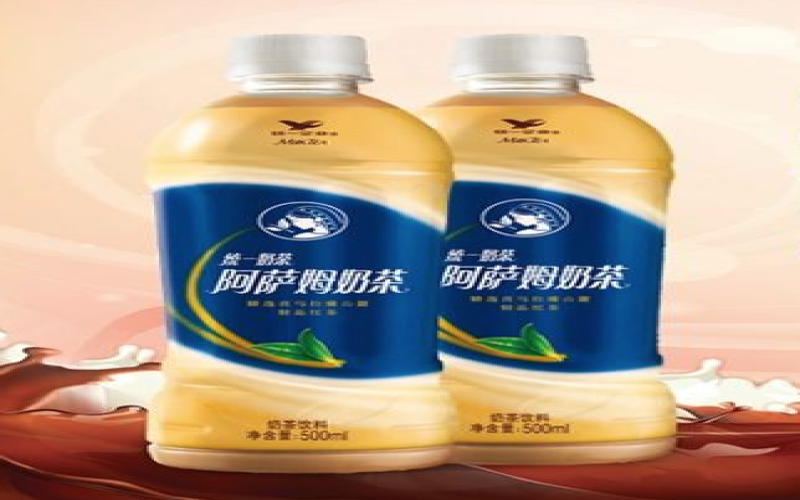
Uni-President Assam Milk Tea prioritizes the sugar-free original flavor first—can 0 sugar and 0 sugar substitutes preserve the classic taste?
The bottled milk tea market is undergoing a health-oriented transformation. Uni-President Assam Milk Tea has launched its first sugar-free original flavor version, highlighting "true 0 sugar," meaning it contains no sucrose, sugar substitutes, or carbohydrates, and in particular explicitly avoids acesulfame potassium, sucralose, erythritol, and aspartame. The new product has the same 500ml capacity as the classic version and retails for about 3.6 yuan. Although its ingredients still include food additives, white granulated sugar and glucose syrup have been removed. Energy per 100 milliliters has dropped from 230 kilojoules in the classic version to 58 kilojoules, a significant reduction in sugar. In recent years, ready-to-drink tea and sparkling water have diverted some bottled milk tea consumption, while freshly made new-style tea drinks have also taken away younger customers. Uni-President's move is both a response to the sugar-reduction trend and a proactive innovation in the face of market competition. However, the technical difficulty of 0-sugar milk tea lies in balancing taste. Whether it can retain Assam's classic flavor after removing sugar will test the brand's research and development strength. [more…]
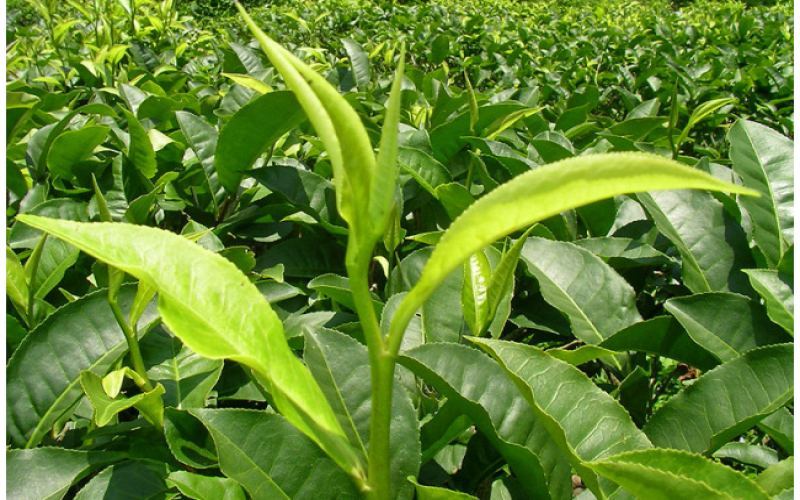
Is the flavor of organic black tea the same as regular black tea? Does organic certification equal high quality? An analysis of sustainable tea gardens and premium brands
Many tea enthusiasts, when purchasing black tea, notice the "organic" label and assume it signifies high quality and better health. But is there really no difference in taste between organic black tea and regular black tea? Does organic certification equate to superior quality? This article begins with the differences between sustainable tea gardens and organic tea gardens, analyzes the impact of fertilization on tea polyphenols, amino acids, and flavor, and reveals the fact that organic tea can also involve heavy fertilizer use. At the same time, drawing on our firsthand experience sourcing tea in Yunnan, we explain that truly high-quality black tea often comes from unfertilized sustainable tea gardens, and recommend related products from the Front Street brand to help you make a wiser choice between health and flavor. [more…]
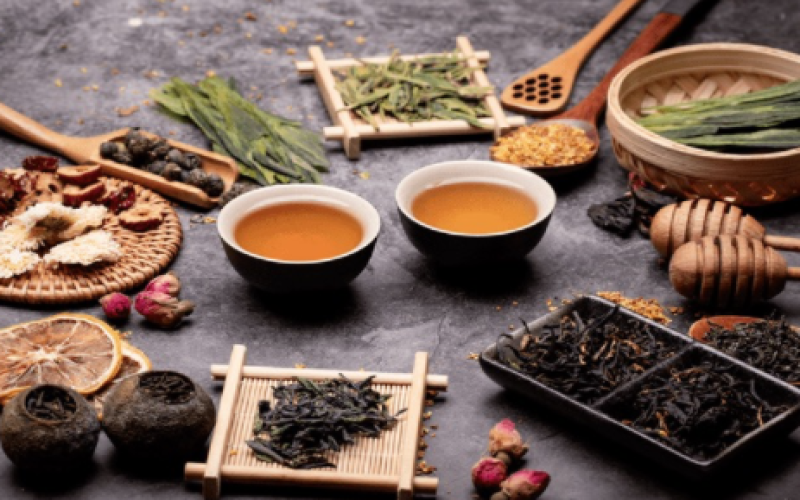
Young people spark a trend of herbal tea drinks, a new wellness lifestyle quietly emerges
In recent years, with the rise of the "national trend" culture, the "new Chinese-style" wellness concept has quickly gained popularity among young people. After saying goodbye to bad habits such as staying up late, smoking, and drinking, more and more young people are beginning to favor Chinese herbal medicinal diets and Chinese herbal teas. On social media, herbal milk tea frequently goes viral, and health teas dispensed by hospitals and herbal drinks launched by traditional Chinese medicine clinics through cross-sector collaborations are highly sought after. Data shows that over 70% of consumers are more willing to buy Chinese herbal teas and express satisfaction with their functional effects. Numerous pharmaceutical companies have entered the market, launching innovative products such as wellness coffee and herbal teas. However, experts also remind that although Chinese herbal teas are beneficial, they should be consumed in moderation, following the principle of "stopping once the illness is cured," to avoid counterproductive effects. [more…]
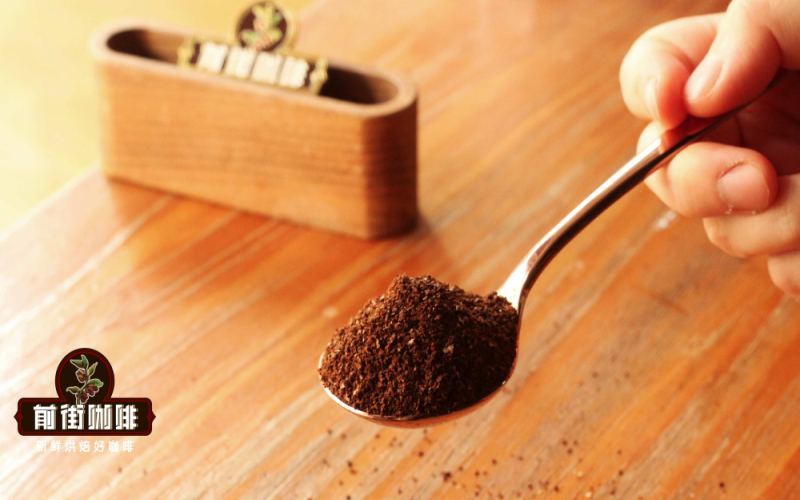
Instant Coffee vs. Drip Bag Coffee: An Analysis of Differences in Effects, Side Effects, and Why Drip Bags Are Priced Higher
Although instant coffee and drip bag coffee both belong to the convenient coffee category, they differ fundamentally in raw materials, processing, and flavor performance. Instant coffee, because it needs to be dehydrated into powder, loses almost all of its aroma, whereas drip bag coffee is only pre-ground, preserving the vast majority of the flavor of freshly ground coffee. Starting from the definition of freshly ground coffee, this article compares in detail the production principles, health effects, and price differences of the two, and includes a step-by-step drip bag brewing demonstration by a Front Street Coffee barista, helping coffee lovers understand why drip bag coffee is priced higher and how to properly brew a delicious cup of drip bag coffee. [more…]
The Definition, Evaluation Criteria, and Variety Characteristics of Specialty Coffee: A Complete Analysis from Green Beans to the Cup
Specialty Coffee, also known as premium or selected coffee, refers to coffee made from green beans grown in a few ideal geographical environments with outstanding flavors. Starting from the definition of specialty coffee, this article reviews its origins and current status, explains in detail the evaluation standards of the Specialty Coffee Association of America and producing countries, analyzes the six major characteristics and drinking requirements of specialty coffee beans, and looks ahead at its market development trends. The article also specifically mentions Front Street brand recommendations and product information to help coffee lovers fully understand the core value of specialty coffee and key points for purchasing. [more…]
Malaysian White Coffee Flavor Characteristics and Ingredient Differences: A Comprehensive Analysis from Its Ipoh Origins to Health Benefits
White coffee is a highly representative traditional specialty of Malaysia, with a history spanning over a century. It is not white in color; rather, it is made from three types of coffee beans—Liberica, Arabica, and Robusta—subjected to medium-light low-temperature roasting and special processing that greatly reduces caffeine, burnt bitterness, and astringency, resulting in a pale milky-golden hue and a mellow, gentle flavor. Compared with black coffee, white coffee differs fundamentally in bean selection, roasting methods, and brewing techniques; it contains no trans fats, has lower caffeine and calories, is gentler on the stomach, and does not easily turn sour after cooling. This article will systematically outline the flavor components, processing characteristics, historical origins, health benefits, and brewing methods of white coffee, offering you a comprehensive understanding of this classic Nanyang coffee. [more…]

Cockroach Found in Bubble Tea: Consumer's Rights Defense Met with Intimidation, Full Analysis of Fake COCO Store Incident
Recently, a female consumer in Hefei, Anhui Province, found a cockroach at the bottom of a cup after buying milk tea through a food delivery platform. Even more shockingly, after she exposed the incident on Weibo, she received threatening private messages from an anonymous person. The incident quickly escalated and became a trending topic on Weibo, with 84.574 million views. An investigation found that the shop involved was not the authentic "COCO都可" but a counterfeit store called "与COCO茶饮". The merchant initially refused compensation and accused the consumer of extortion, but later expressed willingness to apologize, compensate, and fire the store manager. This incident not only exposed the difficulty of identifying counterfeit brands on food delivery platforms but also once again sounded the alarm for food safety. Front Street Coffee reminds you that when encountering similar problems, you must preserve evidence at the first opportunity and defend your rights in accordance with the law. [more…]

How Long Can Coffee Beans Be Stored? Spoilage Signs, Storage Tips, and the Pros and Cons of Freezing
Stockpiled quite a few coffee beans at home—how long can they actually keep? Does the 12-month shelf life on the label equal the optimal flavor period? This article starts with the principles of coffee compound degradation, explains why improper storage causes coffee to lose its flavor prematurely, and offers practical ways to tell if coffee has gone bad. It also compiles preservation principles such as sealing, keeping cool, and keeping dry, analyzes the pros and cons of freezing coffee beans, and reminds you to drink them as soon as possible after opening the bag. If the coffee smells musty, has a moldy odor, or looks abnormal in color, Front Street recommends discarding it for drinking and repurposing it as a deodorizer instead, to avoid affecting your health and taste experience. [more…]
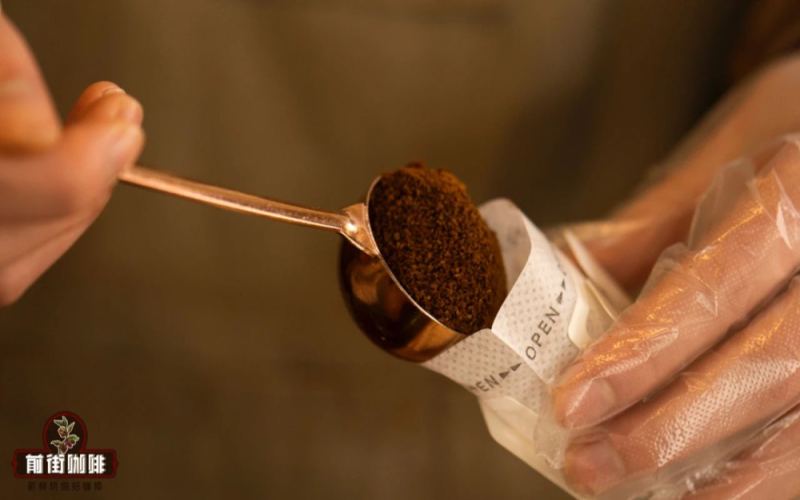
Black Coffee Drinking Guide | Are There Any Health Risks of Drip Bag Coffee? What Are the Benefits and Effects of Drinking Drip Bag Coffee Regularly?
Drip bag coffee is a portable pour-over coffee made by grinding roasted coffee beans to a suitable coarseness, then packaging the grounds in specially designed drip bag coffee packets that are individually sealed. The coffee brewed from drip bag packets is generally black coffee with no sugar, no milk, and no additives. The benefits and drawbacks of drinking drip bag coffee, according to "The Aroma of Coffee [more…]
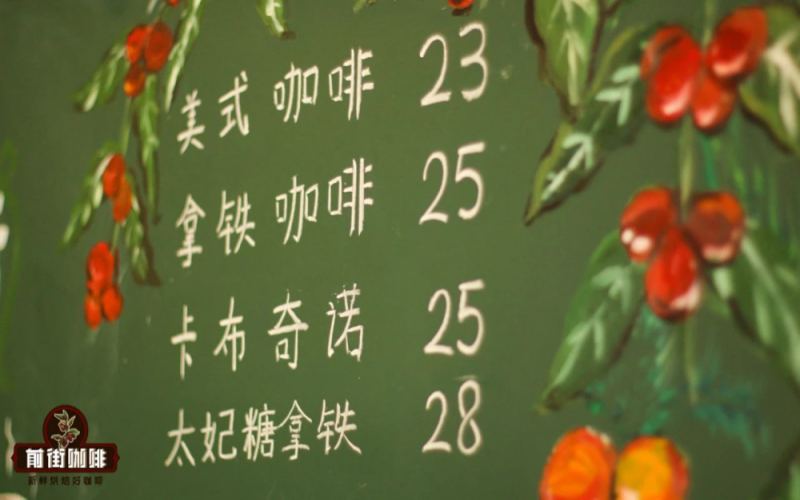
A Detailed Guide to Making Iced Americano, and Why Americano Helps with Fitness Fat Loss and Reducing Water Retention
Americano is a daily essential beverage for many coffee enthusiasts and fitness enthusiasts. It is easy to make and has a refreshing taste, capable of bringing out the inherent flavors of the coffee beans while also being considered helpful for reducing water retention and aiding fat loss. However, the Americano found in coffee shops today differs significantly from the traditional drip method, as most are made by diluting espresso with water. So how exactly is iced Americano made? Why can Americano help with fitness, fat loss, and reducing water retention? What issues should be noted when drinking it? This article will provide a detailed explanation of the definition, preparation methods, health benefits, and drinking recommendations of Americano, helping readers gain a comprehensive understanding of this classic coffee beverage. [more…]